
Call 704-905-9457


The atlas vertebra (C1) is the top bone of the spine and plays a critical role in protecting the brainstem and supporting the head.
When the atlas shifts out of its normal alignment — a condition often referred to as an atlas misalignment or upper cervical subluxation — it may place abnormal stress on the nervous system.
Because the brainstem regulates many essential bodily functions, structural misalignment in this region may contribute to a wide range of symptoms.
At Charlotte Family Chiropractic Clinic, evaluating the structural alignment of the atlas is a key step in determining whether upper cervical care may help restore neurological balance.

Common Atlas Misalignment Symptoms
Patients experiencing atlas misalignment often report one or more of the following symptoms:
-
Migraine headaches
-
Vertigo or dizziness
-
Chronic neck pain or stiffness
-
Balance disturbances
-
Tension headaches
-
Sensitivity to light or sound
-
Brain fog or difficulty concentrating
-
Shoulder or upper back tension
-
Fatigue related to nervous system stress
Not every person with these symptoms has an atlas misalignment. However, when structural imbalance exists, correcting it may significantly improve nervous system function.
How Atlas Misalignment Affects the Nervous System
The atlas vertebra surrounds and protects the brainstem, which serves as a communication hub between the brain and body.
When the atlas becomes misaligned, it may contribute to:
-
Abnormal nerve signaling
-
Altered muscle tone
-
Imbalanced posture
-
Disruption of balance and coordination
Over time, these neurological disturbances may contribute to recurring symptoms such as migraines or vertigo.
What Causes Atlas Misalignment?
Atlas misalignment can occur for many reasons, including:
-
Past car accidents or whiplash injuries
-
Sports impacts
-
Falls
-
Childhood injuries
-
Repetitive postural stress
-
Long hours at computers or mobile devices
Sometimes the original injury occurred years earlier, and symptoms gradually developed over time.
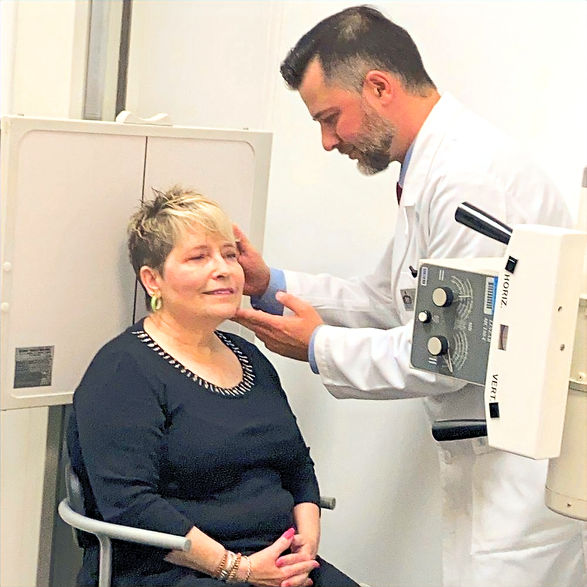
How Atlas Misalignment is Diagnosed?
At Charlotte Family Chiropractic Clinic, diagnosing atlas misalignment involves several steps:
-
Detailed health consultation
-
Postural and neurological examination
-
Advanced digital imaging when clinically necessary
-
Precise structural analysis of the atlas and axis
These tools allow Dr. Arthur Plesa to determine whether an upper cervical correction may be appropriate.
Correcting Atlas Misalignment
Upper cervical corrections are extremely gentle and highly precise.
Unlike traditional chiropractic adjustments, these corrections:
-
Do not involve twisting the neck
-
Use minimal physical force
-
Are calculated based on detailed imaging measurements
The goal is to restore normal structural alignment and allow the nervous system to function with less interference.